Table Of Content

Purple shampoos cleanse the hair (to an extent) but also cancel out unwanted yellow tones and brassiness by depositing purple pigment, according to our experts. You can include toners in your hair care routine to restore your hair color. Then, follow the colored hair care routine to avoid regressing in your color-treatment journey. Look into the beauty products you put in your natural black or organic hair.
What About Color Correcting Shampoo?
A clear gloss (one that’s pigment-free) delivers the same smoothing and strengthening benefits, just without adding any color. Thompson does warn that not all over-the-counter glosses are created equally, so make sure to consult with your hair colorist before trying any out at home. Adequate violet pigments, coupled with the effects of the right ingredients, safeguard the blonde color so you can flaunt your golden locks at all times. The duration of the color deposited by these shampoos depends on factors such as frequency of use, the hair's porosity, and the shampoo's specific formulation. Generally, the color will gradually fade with each wash, so regular use is often necessary to maintain the desired tone, says Benson. So instead, use it once every few shampoos (four to six washes) to maintain color and upkeep your hair between salon visits, she says.
Who should use a blue shampoo?
The most important thing to consider when using toners to counteract brassy tones is to choose the proper toner based on the color wheel (read this article). For instance, when you use a shampoo or conditioner with a yellow or orange tinge, some of the colors could bind to your hair and make it turn brassy. Different hairdressers will have varying charges for their services. Some celebrity hair colorists in LA will set you back a good few hundred dollars. For instance, Mèche Salon, located in the Hills, will charge $150 for color, while Spoke & Weal starts color treatments at $200 (and this is their budget-friendly package).
How to Prevent Brassy Hair
Still, overexposure to the sun disrupts the balance of your scalp by drying it out. It also lifts the hair’s cuticles, resulting in a weakening of the hydrolipidic film that protects them. You don’t have to use it every day—as long as you don’t want to turn your hair violet. Looking in the mirror and noticing all that glitters in your mane isn’t gold (or blonde) is an unsettling realization that is likely to make a home in your head. Yellow or orange is not the new black and never will be if a sparking blonde or a chic golden hue is what you aimed for.
Best Purple Shampoo 2023 - For Toning Blonde Hair - Cosmopolitan UK
Best Purple Shampoo 2023 - For Toning Blonde Hair.
Posted: Thu, 06 Jul 2023 07:00:00 GMT [source]
Kristin Ess Hair The One Purple Shampoo
Plus, the Express Blonde toning service can take as little as 20 minutes. Toner will last anywhere from two to six weeks, giving your hair a boost before your next appointment. You could also glaze your hair, which enhances your color and adds more shine.

Shampoo with a purple formula between professional colorings.
Thankfully, a little brassiness doesn’t permanently alter the color of your hair. As a dynamic husband and wife duo behind Curl Centric, our passion for curly hair has fueled a transformative journey. Co-founder of Curl Centric® and Natural Hair Box, Kenneth has dedicated himself to promoting ethical and scientifically-backed hair care practices. Rigorous editorial guidelines, industry recognitions, and features in numerous media outlets evidence his expertise. Kenneth’s commitment to transparency, quality, and empowerment has positioned him as a trusted voice in the field, empowering readers to confidently embrace their natural beauty.
Purple and blue shampoos can neutralize brassiness and help you go longer without needing professional toner or gloss. Purple is opposite yellow, so it covers up unwanted yellow tones, while blue is opposite orange. If the degree of brassiness isn’t very high, you can first try neutralizing these warm tones using a purple (for yellow tinge) or blue shampoo (for orange tinge). If your shampoo can’t handle it, go for purple-based or blue-based dye based on the nature of your brassy hair. You have three options—take the brassiness out using a demi-permanent toner, dye your hair again and return to your natural hair color, or dye your brassy hair further.
SO, WHAT DO YOU NEED TO KNOW ABOUt hair glosses?
Try a gloss in-between lightening appointments to bring back the tone and shine while adding moisture. A hair gloss treatment on freshly colored blonde hair enables the tone to set deeper, preventing fading and discoloration. Gentle formulas are important for color-treated hair to prevent more damage, but you also want something to make that expensive salon appointment last as long as it can. This affordable yet highly rated gloss helps avoid faded, dull hair and locks in shine. The instructions say to layer your conditioner over it to really ramp up the moisture before rinsing out.
Brassy Hair 101: Causes, Prevention, and Corrective Measures
Likewise, if you look at yellow on the color wheel, you’ll see that purple is directly opposite. The photo above shows the range of pigments exposed during the lightening process. If you start with jet-black hair and bleach it, it doesn’t go straight from black to blonde. When you use bleach and developer to lighten your hair color, those chemicals go to work removing the natural pigments from your hair shaft.
Some purple shampoos can contain strong pigments, which may build up and make lighter hair dull over time. It can even cause the strands to pick up the shampoo’s violet hue, losing that brightness that gives your hair the perfect look. The key is to use a purple shampoo for maintenance purposes only — this means limiting yourself to using it just once or twice a week to maintain a cool, neutral tone.

Like the other color options, this shampoo mildly cleanses the hair but primarily focuses on depositing green pigments to counteract unwanted red/brassy tones in hair, according to O’Connor. Believe it or not, color theory is a big part of finding the right color-depositing shampoo for you — you want to pick the opposite color on the color wheel for your hair. In general, blondes should use purple shampoo, redheads should use green and brunettes should choose a blue shampoo. But we demand rent from the brassiness and dullness that happens after a few weeks. That’s where color-depositing shampoo (think purple shampoo) comes into the picture.
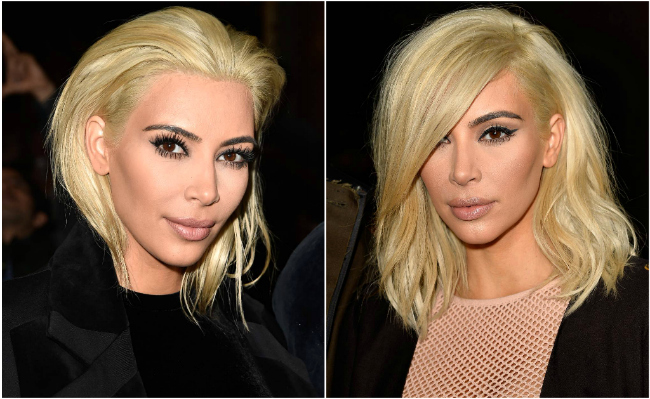
Brassiness in hair occurs when the natural hair color is lifted or lightened, allowing warm tones to show through. When you see warm tones in lightened hair – yellows, oranges, reds, and caramel – those are considered brassy tones. Brassy hair shows undesired warm tones that appear as toner or color fades. This often happens when dark hair is lightened because it has underlying pigment that will show through over time. The thing is – and this is super important to realize – everyone will uncover these warm, brassy tones when they bleach or lighten their hair.
The harsh environment of a chlorinated pool or even sunbathing can be the unexpected cause of your brassiness. When your hair is healthy, the cuticles lay flush, giving your hair a smooth appearance. However, the cuticles must be opened to allow the hair to hold onto the new color. You can find toner products for purchase at your salon, in stores, and maybe even from the ingredients in your kitchen cabinets. Baking soda, apple cider vinegar, and lemon juice are popular products for making your own homemade toner. If your hair is honey blonde and you use a toner meant for light blonde hair, you may not achieve your desired results.